CAMBRIDGE SKIN & HAIR CLINICS Personal concerns. Thoughtful conversations. Clear next steps.

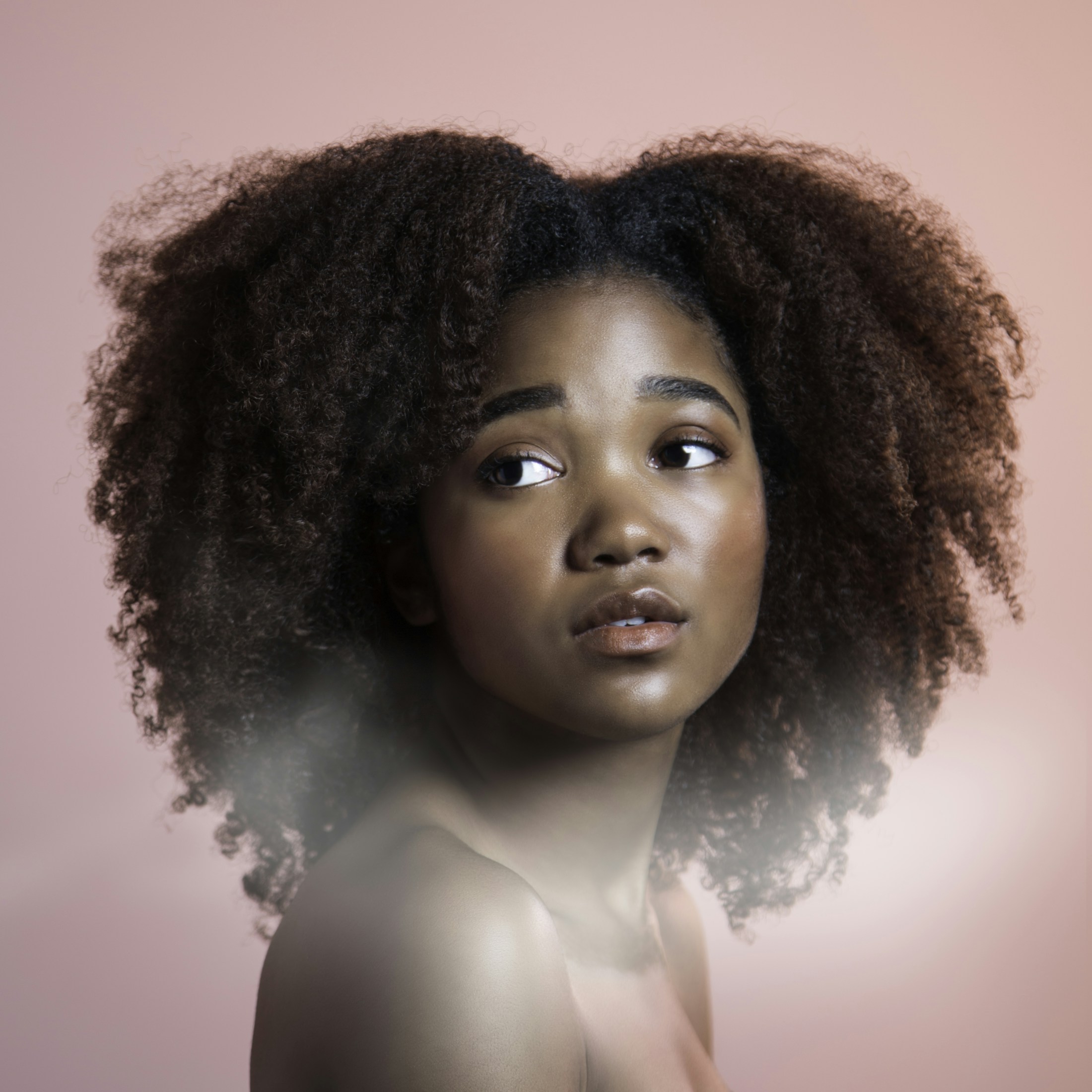
Female hair loss — stock photograph, not a Cambridge patient or practitioner
Photography: Jessica Felicio / Unsplash · Stock photograph

CAMBRIDGE / FEMALE HAIR LOSS

Your experience.
Deserves attention.

Prepare for a conversation about shedding, density and scalp health that takes your individual circumstances seriously.

Shedding historyHealth contextIndividual options

02 / UNDERSTANDING

Your experience of hair loss matters

Women describe hair concerns in different ways: a smaller ponytail, more visible scalp, a changed parting or less confidence wearing hair up. Start with the observation that feels most relevant to you. A useful assessment listens to that experience before moving to a treatment discussion.

There is no single appearance that explains every type of female hair loss. Timing, pattern, scalp symptoms and health history help shape the questions that need answering. Avoid assuming that a product marketed for women is appropriate simply because the photographs look familiar. The first objective is to understand your concern and establish whether further medical assessment is needed.

03 / YOUR CONCERN

A timeline rather than a guess

Write down when you first noticed the change and whether it has been gradual or sudden. Include relevant health events, changes in medicines and previous advice. Mention itching, discomfort, patches or changes in eyebrows or other body hair if these are part of your experience.

Bring earlier photographs if they help explain the difference, but do not feel you need perfect evidence to ask for advice. Tell the clinician what has changed in your routine and how much it affects you. The discussion should distinguish an observation from a diagnosis and make clear which questions can be answered at the appointment and which may need further investigation.

04 / ASSESSMENT

Preparing for a consultation

Ask what the assessment includes and whether you should bring previous test results or treatment records. Have an up-to-date medicine list available and discuss pregnancy, breastfeeding or plans for pregnancy where relevant. These details belong in an individual clinical conversation rather than an online product quiz.

Explain your usual parting, protective styles, colouring and any camouflage. A consultation should account for the way you care for your hair and what changes would be manageable. Ask for a plain-language explanation of the findings, including uncertainty. You should understand why a recommendation has been made before deciding whether to begin a commercial treatment plan.

05 / YOUR OPTIONS

Exploring the treatment discussion

Depending on the diagnosis, the conversation may involve medical care, a product routine, camouflage, monitoring or a procedure. Ask what each option is intended to achieve and which evidence is relevant to your circumstances. A promise of fuller hair should not substitute for that explanation.

Discuss possible side effects, practical limitations and the commitment needed. If a medicine is proposed, obtain current information from the prescribing clinician. If a procedure is discussed, ask why it is appropriate and what alternatives exist. You may want to make a decision in stages. The option to wait or seek another opinion should remain part of the conversation.

06 / PRACTICAL PLANNING

Hair care, styling and daily confidence

Hair loss can change how you prepare for work, social events and photographs. Explain those practical effects so your goals are understood. If you want advice about styling or camouflage, say so; wanting a less stressful routine is a valid priority.

Ask before combining treatments with new products or changing an existing prescribed routine. Keep the instructions for any proposed plan clear and manageable. You should know what to do at home, which changes require a conversation and how to contact the provider. A practical plan takes account of the time, cost and emotional attention you can reasonably give to your hair care.

07 / REVIEWS & EXPECTATIONS

Reviewing change with realistic expectations

Agree a way of recording progress that reflects the original concern. If the issue is a wider parting, compare the same parting under similar conditions. If the concern is shedding, ask how the clinician wants that described. Different outcomes should not be treated as identical.

Review appointments should explain what has changed and whether the original assessment still makes sense. Ask what would happen if the response is limited or your circumstances change. Do not judge yourself against a promotional portrait or an unrelated person’s timeline. A thoughtful review should support your next decision rather than create pressure to purchase another course without a clear reason.

08 / COSTS & NEXT STEPS

Costs, support and making a choice

Ask for a full quotation that separates assessment, treatment, products and reviews. Clarify any proposed ongoing costs and whether decisions can be made at defined stages. Include travel and the time needed for a routine when considering the practical commitment.

Take written information away if you need time to think. Hair loss can feel urgent, but a commercial deadline should not replace an informed decision. Ask for additional support if the concern is affecting your wellbeing. A good starting point leaves you clearer about the next step, including when that step is further medical advice rather than an immediate cosmetic procedure.

09 / FREQUENTLY ASKED QUESTIONS

Female Hair Loss:
your questions.

Does a widening parting establish a diagnosis?

No. It is a useful observation to discuss, but the cause should be assessed in the context of timing, scalp findings and health history. Avoid selecting treatment from one appearance alone.

Should I mention pregnancy or breastfeeding?

Yes, where relevant. Discuss these circumstances and any plans for pregnancy with the clinician before treatment decisions, particularly if medicines or procedures are being considered.

Can I ask about styling instead of a procedure?

Yes. Explain what would make everyday life easier and ask which approaches are relevant. A consultation should allow discussion of practical support and the option of choosing no procedure.

10 / YOUR NEXT STEP

Prepare well.
Decide with clarity.

Contact & consultation information ↗

Use this female hair loss guide to organise the questions you want answered, rather than to diagnose yourself or select a procedure without assessment. Note your main concern, the changes you have noticed and the outcome that would matter most to you. Bring information about previous treatments and current medicines so the discussion can consider your circumstances.

Before making an appointment, confirm the provider, treatment venue, consultation fee and practitioner responsible. Ask what the assessment will include and whether any preparation is required. The registered office address is not confirmation of a treatment location. If a procedure is discussed, request its full cost, alternatives, potential complications and aftercare arrangements in writing.

Read the information at your own pace and ask for clarification when something remains uncertain. A consultation does not require you to proceed. This educational guide does not confirm that every procedure described is available through Cambridge Skin & Hair Clinics. All portraits and consultation photographs are illustrative and do not show our patients, staff or clinical outcomes.

Further information from the NHS ↗